Water damage can ruin your home, from wrecking floors to fostering mold development. Whether it's a dripping pipe or an all-natural disaster, you'll require to stay watchful to stop such pricey and dangerous problems. What are the primary offenders behind water damage, and how can you safeguard your residential property? By comprehending the usual reasons and taking positive actions, you can protect your investment and preserve a healthy, dry living setting.
Secret Takeaways
- Pipes leakages, home appliance breakdowns, and all-natural disasters are common causes of water damage that can be avoided via normal inspections and timely repair work. Correct drainage, rain gutter maintenance, and roofing inspections can aid alleviate water damage from flooding, precipitation, and roof/gutter problems. Basement flooding caused by sump pump failings or groundwater entry can be dealt with with waterproofing and routine maintenance. Managing humidity levels and securing air leaks can avoid water damage from condensation, while developing excellent water usage behaviors can prevent human errors. Aggressive measures like installing water-sensing alarm systems and elevating belongings can aid minimize the effect of water damage from different resources.
Leaky Plumbing
Leaking pipes is one of the most typical perpetrators of water damages, as also a tiny drip can result in considerable problems over time.
You'll want to on a regular basis examine your pipes for any type of indications of wear and tear, such as fractures, rust, or loose installations. Developing an upkeep schedule is crucial aim to examine your pipes a minimum of yearly, or more often if you have an older home.
If you do find a leakage, do not wait to address it. Even a tiny drip can create mold and mildew, mildew, and architectural damage with time. Shut off the water, ideally, and call a specialist plumbing technician to detect and fix the problem. They can additionally supply referrals on upgrades or replacements that may help stop future leakages.
Staying on top of your pipes maintenance is an essential part of protecting your home from water damages. With diligence and timely action, you can catch problems early and prevent expensive repair services down the line.
All-natural Disasters
When all-natural disasters strike, you might encounter serious water damages.
Flooding and hefty precipitation can swamp your home, while hurricanes and tornadoes can create tragic damages.
These all-natural events can quickly turn your home or organization right into a water logged headache, calling for prompt activity to mitigate the influence.
Flooding and Rainfall
Triggered by heavy rainfall, flooding can ruin your home, resulting in expensive repair work and potential carcinogen. To prevent flood-related water damages, appropriate rain administration is essential.
Begin by guaranteeing your seamless gutters and downspouts are clear of particles, permitting rainwater to flow easily away from your home's structure. Consider mounting a sump pump in your basement and check that it's functioning correctly. Boosting your home's appliances and belongings can additionally protect them from increasing floodwaters.
Landscape design options play a crucial duty in flooding prevention. Select permeable surface areas like pavers or gravel that enable water to saturate right into the ground, rather than runoff. Plant indigenous, water-tolerant plants around your building to absorb excess wetness.
Stay cautious throughout heavy rains, and be prepared to act promptly to shield your home if flooding seems unavoidable. By taking aggressive steps, you can reduce the impact of flooding and precipitation-related water damage.
Hurricanes and Tornadoes
Effective typhoons and ravaging hurricanes can flood your home with hefty rains, high winds, and tornado surges, leading to catastrophic water damages. Do not wait till it's far too late - take aggressive steps to get ready for these all-natural calamities.
Buy hurricane-resistant windows and doors, and take into consideration installing a sump pump to avoid basement flooding. Ensure your property owner's insurance plan covers tornado damage, as these fast-moving storms can cause roofing leaks, busted pipes, and swamped basements.
Frequently inspect your home's outside for any kind of vulnerabilities, and clear rain gutters and downspouts to assure correct drain. If a storm or tornado is headed your method, safe loose exterior products, trim trees and bushes, and have an emergency situation kit available.
Device Malfunctions
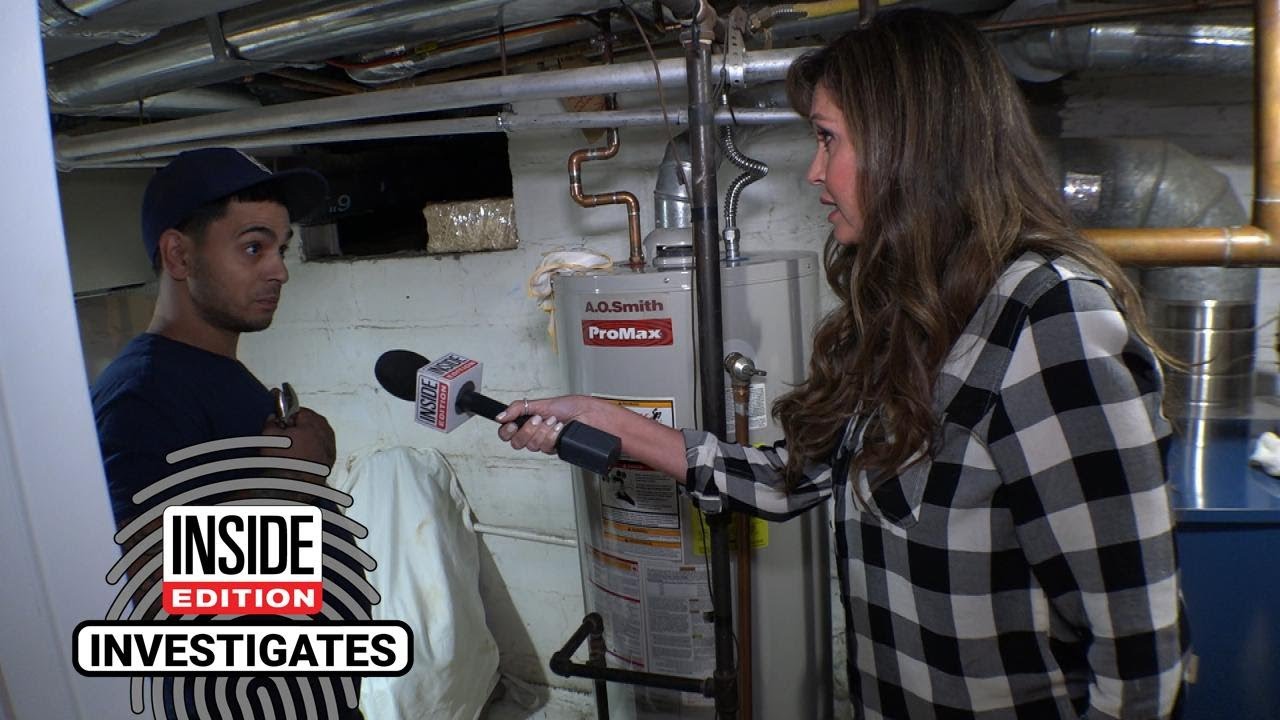
Appliances like washing equipments, dishwashers, and water heaters can malfunction and result in significant water damages if not effectively kept or monitored. A ruptured cleaning machine tube or a dripping hot water heater can rapidly flooding your home, creating countless bucks in damage. That's why home appliance upkeep is important for emergency preparedness.
Be sure to regularly inspect your appliances for any kind of signs of damage, and replace any worn or broken components without delay. It's additionally an excellent idea to know where the shut-off shutoffs are for your home appliances so you can rapidly switch off the water in the event of an emergency situation.
Additionally, consider purchasing a water-sensing alarm system that can detect leakages and instantly turned off the supply of water. This can give you peace of mind and help stop pricey water damage if a home appliance breakdown occurs when you're far from home.
Poor Water Drainage Systems
Along with home appliance breakdowns, poor drain systems can also lead to significant water damages in your house. Stopped up seamless gutters, busted downspouts, and inadequate grading around your foundation can allow water to collect and seep into your home's structure, creating pricey repairs.
Appropriate drainage upkeep is important to preventing water damages. Regularly clean your gutters and ensure downspouts are guiding water far from your home's structure. Furthermore, check the rating around your home - the soil should slope far from the foundation to promote correct water drainage.
If you see locations where water tends to swimming pool, think about re-grading or setting up added drainage solutions, such as French drains, to attend to soil erosion and boost water flow.
Do not wait till you see water leakages or damages to deal with water drainage concerns. Positive upkeep can conserve you from the migraine and expenditure of water damages fixings down the line.
Roofing System and Rain Gutter Issues
Clogged gutters can lead to overflows, which may then cause water to collect around your home's structure or even permeate into your roofing system.
Leakages in your roofing system can permit water to penetrate your home, possibly destructive your walls, ceilings, and belongings.
If you notice any concerns with your gutters or roof covering, it's important to address them immediately to stop more water damage.
Clogged Gutters Overflow
Overflowing rain gutters can swiftly lead to water collecting around your home's structure, potentially creating problems like basement flooding or architectural damage.
Stopped up gutters disrupt the proper flow of water, triggering it to spill over the sides as opposed to being routed far from your home. This can cause water damages to your siding, fascia, and even the structure itself.
Normal rain gutter maintenance is vital to avoid this issue. Ensure to clean out leaves, branches, and other particles from your seamless gutters at the very least two times a year. This will ensure water can stream openly via the system and away from your home.
You should additionally think about setting up gutter guards or covers to decrease the quantity of material that gathers in the gutters with time.
Roofing System Leakages Buildup
Roof leaks can bring about substantial water damage if left unaddressed. Jeopardized roof covering products, missing tiles, or poorly secured flashings can all permit wetness to infiltrate your home, possibly triggering mold and mildew, timber rot, and various other costly problems.
That's why routine roof covering maintenance is necessary to protect against leakages from taking place to begin with. Be sure to inspect your roof regularly, trying to find any type of indicators of damages or wear. Look for missing or curled tiles, fractured sealants, and appropriate blinking around smokeshafts, vents, and various other roofing system penetrations.
If you identify any type of issues, resolve them promptly before they get worse. You might additionally wish to consider hiring an expert roofing contractor to perform a complete examination and identify any type of possible leak points.
Drip detection is one more essential action in stopping water damages. Watch out for signs of leakages, such as water spots on ceilings or wall surfaces, and resolve them immediately.
Cellar Flooding
Basement flooding usually stems from concerns with your home's pipes or sump pump, which can permit water to accumulate in the most affordable level of your residence. A malfunctioning sump pump is one of the key culprits, as it's responsible for removing excess groundwater and avoiding it from seeping right into your cellar. If your sump pump fails or can't stay up to date with heavy rainfall, you're likely to experience a swamped cellar.
Splits or openings in your basement walls or floorings can also add to flooding, as they offer entry factors for groundwater. Investing in proper cellar waterproofing is essential to secure these susceptabilities and maintain your lower level completely dry. Furthermore, clogs in your home's drain system, such as stopped up seamless gutters or downspouts, can trigger water to back up and enter your cellar.
To avoid cellar flooding, preserve your sump pump, attend to any type of architectural problems, and make certain your home's drain system is operating properly. Taking aggressive actions can aid shield your residential or commercial property and stop pricey water damage.
Condensation and Humidity
Along with issues with your home's pipes and drainage, excess wetness from condensation and moisture can likewise result in significant water damages.
You may not understand it, but the air in your house constantly holds some degree of water vapor. When this damp air enters into contact with a cooler surface, like windows or wall surfaces, the wetness condenses and turns into fluid water. Gradually, this condensation can saturate into products, resulting in mold and mildew, mildew, and rot.
To avoid condensation-related water damage, concentrate on boosting your home's moisture control. Run exhaust followers in washrooms and cooking areas, make use of a dehumidifier, and guarantee proper ventilation throughout your house.
Seal any kind of air leakages and protect wall surfaces, attics, and crawl areas to maintain a constant temperature and decrease condensation. With the right moisture control measures, you can stop excess moisture from collecting and creating costly water damage to your home.
Human Error and Negligence
Frequently, easy human errors or carelessness can additionally cause considerable water damage in your home. For example, neglecting to turn off the faucet or leaving the bathtub running can lead to flooding and expensive fixings. Likewise, ignoring to clean your gutters and downspouts can cause water to back up and seep into your wall surfaces or structure.
An additional usual problem is failing to without delay resolve leakages, whether from worn-out appliances, damaged pipes, https://penzu.com/p/929f08b6eb42caf8 or defective pipes. Neglecting these troubles can allow water to build up, resulting in mold and mildew development, timber rot, and architectural damages.
To prevent water damage from human error, make household upkeep a concern. Frequently inspect your home for any kind of indicators of leaks or water accumulation, and address concerns as soon as they occur.
In addition, be mindful of your water use and create great habits, such as shutting off faucets and checking devices. With proactive water damages prevention, you can protect your home and avoid the hassle and expense of costly repairs.
Frequently Asked Inquiries
How Do I Find Concealed Water Leaks in My Home?
To identify surprise water leakages in your home, you'll need to carry out a thorough plumbing evaluation.
Start by examining your water meter - if it's running when no taps are in use, you likely have a leakage.
You can likewise listen for the sound of running water behind wall surfaces or floors.
In addition, utilize a moisture meter to check for damp spots that could suggest a concealed leak.
If you presume a problem, it's best to have an expert leak detection specialist assess your home.
What Are the Indications of Foundation Issues Triggering Water Damage?
Try to find indicators of foundation concerns like cracks or uneven floorings - these could be allowing moisture and creating water damages.
Pay attention to musty smells, peeling paint, and distorted walls or floors, as these might suggest wetness intrusion from foundation issues.
If you detect any type of concerning indications, don't wait - have a specialist examine your home to recognize and deal with the source prior to it results in additional damages.
How Can I Minimize My Insurance Costs for Water Damages?
To decrease your insurance premiums for water damage, concentrate on water damage prevention.
Mount water sensors and automatic shut-off shutoffs to discover leakages early.
Update maturing plumbing and home appliances, and assurance correct drain around your home.
Maintain gutters and downspouts to draw away water far from the foundation.
Can Water Damage Reason Health Issue in My Family members?
Definitely, water damages can bring about significant health and wellness issues for your household. Unsolved water leakages and excess wetness can foster mold growth, which can cause breathing issues like bronchial asthma and allergies when your family members is revealed.
Do not disregard indicators of water damage - act rapidly to attend to the source and properly tidy and completely dry any damaged locations. Your family's wellness depends on quickly dealing with any water issues in your home.
What Are the Legal Responsibilities of Landlords for Water Damages?
As a landlord, you have legal obligations to resolve water damages in your rental building.
By legislation, you should preserve the residential property and quickly take care of any type of problems that can lead to water damages.
If you fail to do so, your lessees have the right to hold back rent or take legal action.
Prioritize stopping and resolving water problems to uphold your duties and safeguard your occupants' health and wellness.
Conclusion
To prevent expensive water damage, you'll want to proactively examine your home's plumbing, devices, and drainage systems.
Preserve your rain gutters and be gotten ready for natural calamities.
Install a sump pump to prevent cellar flooding, and control interior humidity to stop condensation concerns.
Do not let human mistake or carelessness result in preventable water damage - take the needed actions to protect your home.